
Jurij Tokarski
Releases Went From 16 Steps to One Command
A release took 16 manual steps across three services. With develop always release-ready, one Slack command replaced them, and releases went daily.
A product team I led had automated deploys, but every release still ran by hand. Each release took 16 manual steps across three services, and the team shipped one or two releases every two weeks.
I replaced those steps with one Slack command, and releases went to one or two a day. More important, the team stopped being afraid to release.
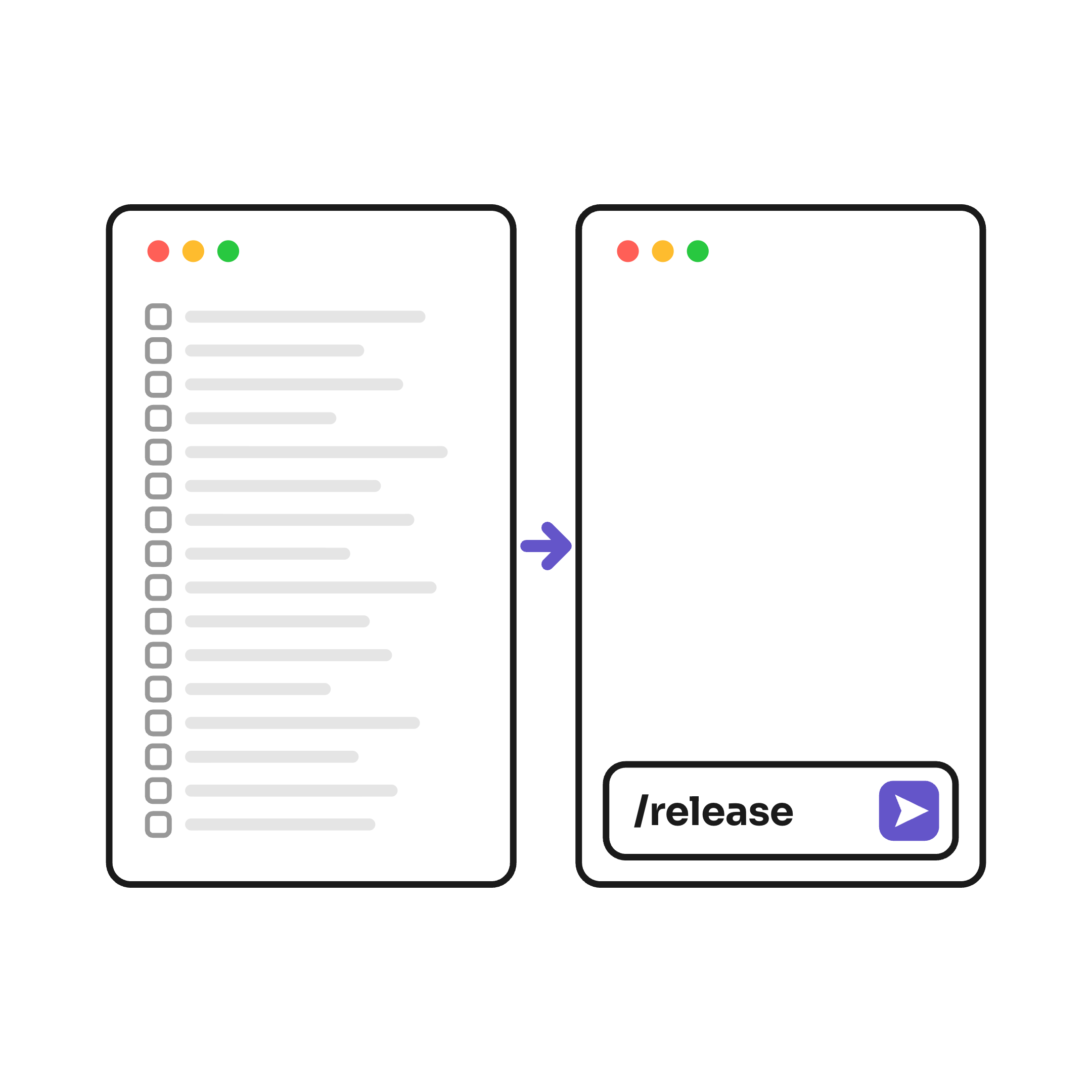
The Steps Around the Deploy
CD handled the deploy phase of the team's development lifecycle. It shipped code to each environment, and work deployed to production went live to customers immediately. A deploy shipped one service; a release shipped all three.
The rest of a release was manual and error-prone. Each service lived in its own repository, and every new one would have added more steps.
I was tired of spending a few hours a day on the chores around releases: merging and checking pull requests, rebasing, creating branches, merging back, sending release notes and triggering deploys. So I proposed automating the release and built it myself, as two Make.com scenarios plus GitHub Actions updates that caught the right moments.
The team used Gitflow, and the automation had to fit it, not replace it. Three branches mattered:
main: production codedevelop: ongoing workrelease/*: one version on its way intomain
Once automated, a release ran these steps for each of the three services:
- check that
develophad everything frommain - create a release branch from
develop - open a pull request from it to
main - update the version on the release branch
- merge the pull request into
main - create a GitHub release for the notes
- wait for the deploy and check production
At the end, the notes from all three went into one summary for stakeholders. Some of these steps came with the automation. The command ran them in four stages.
Open the Release
A person typed the version into the Slack command, which sent a webhook to the automation. The automation opened a Slack thread for the release. For each service, it created a release branch, opened a pull request to main and posted the link in the thread. A GitHub Actions workflow on that pull request wrote the version into package.json.
Wait for the Green Light
Next, the release waited for QA approval and code review. QA approved in the thread, and the thread kept the approver's name.
On approval, the automation merged the pull requests, or turned on auto-merge for those still waiting on review.
Merge and Tag
Once a pull request merged into main, the automation created a git tag with the version. It also opened a back-merge pull request, so develop got every change from the release.
Deploy and Announce
CD deployed each service from main, and the automation posted a notice in the thread as each deploy finished. After the last service, it told everyone the release was live.
A few iterations later, the team could release from a phone and trust the command to run the same way every time.
Develop Stays Release-Ready
The command was half of it. The other half started with one rule: the business could ask for a release at any minute of any day.
The rule broke a few times: the business wanted one feature live, but an unfinished one already sat on develop.
The fix was to keep develop release-ready at all times. Each pull request got its own preview environment, and the team tested each feature there before it merged. Whatever reached develop could ship. By the time someone typed the command, the team had already tested every feature in the release. QA's approval was a sign-off, not a new round of testing.
Every Judgment Stayed With a Person
The process ran for two years, until I left the team. Releases went out daily, each in its own thread, with no incorrect release.
A person chose the version. Reviewers approved the code. QA approved the release. The command ran the rest. This is how I want delivery to work: people keep the judgment, and automation runs the routine where everyone can see it.
I built the automation before the AI era. Today I'd put a model in that thread to answer which release is in progress and whether the services are healthy. The design would stay; only the interface would change.
If your team still releases by hand, start with a DevOps audit.
Got thoughts on this? Reply by email.
Jurij Tokarski
I run a solo business and produce software. Usually I'm shipping for clients or building for myself. Sometimes I pause to write about it.