
Jurij Tokarski
Two Workdays of Typing, Done by Lunch
Typing one parcel into the courier portal took 10 minutes, and only managers could. The app cut it to under a minute for anyone. Six years on, it still runs.
In 2020, a client showed me how his team shipped parcels. They sent over 100 a day, and each one took about 10 minutes to type into the courier's portal. That came to two full workdays of typing, every day.
I watched the owner enter the same customers and products into the portal, again and again. Only managers could do it right, he said. Different delivery methods and cash on delivery made it too complex for the rest of the staff.
He had found that the courier let software create parcels through an API, and he asked whether I could build something better.
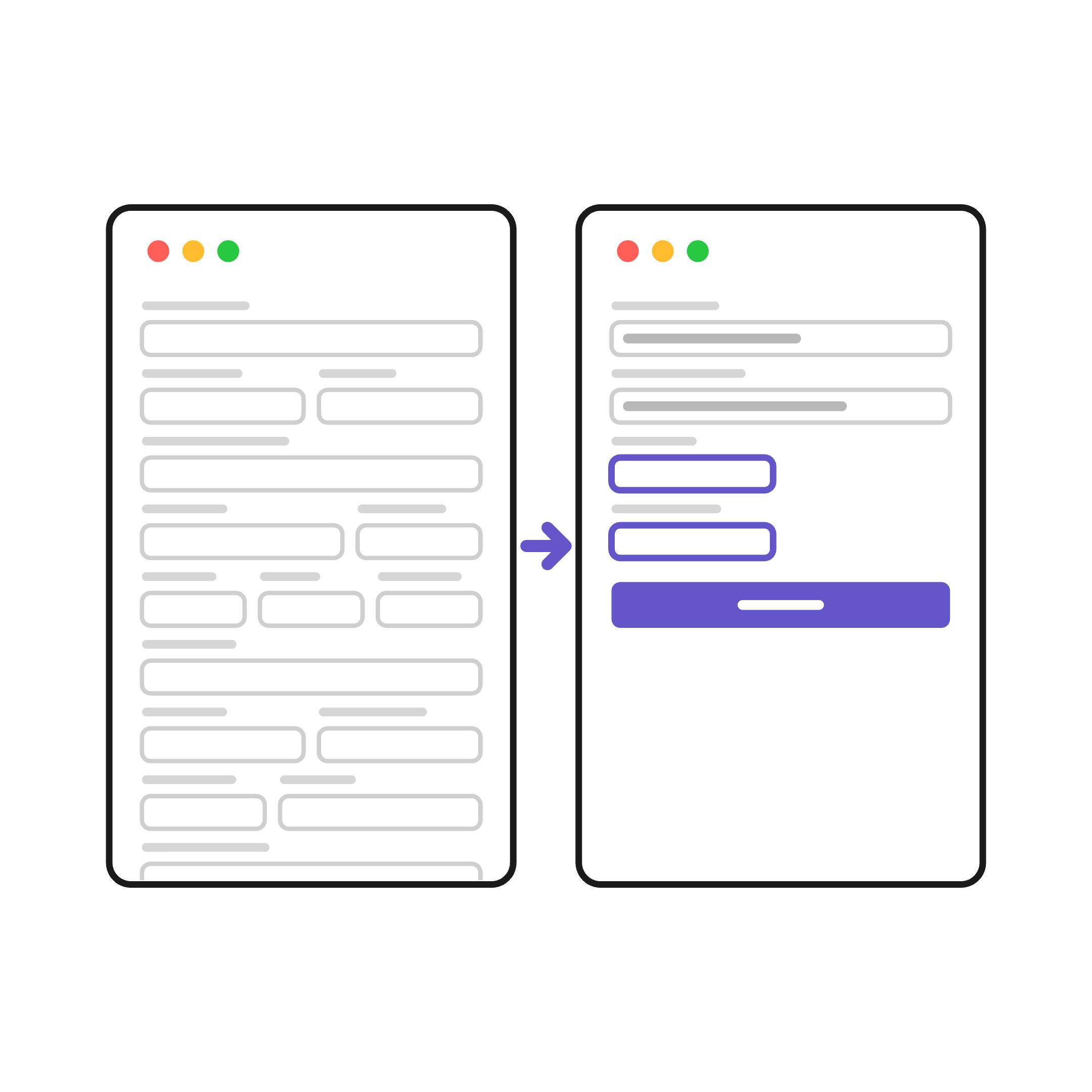
The Hard Part Was the Workflow
The API used SOAP, an older format, but it had everything the job needed: address validation, pickup points and parcel creation.
I chose Firebase as the foundation and React for the interface. A peer developer I brought in planned the sprints. That left the hard part: learning the workflow well enough to make it fast.
Three Parts Decided the Speed
The workflow came down to three parts:
- Customer addresses: each customer has several delivery locations, each with its own delivery method.
- Product classes: the courier required standard product classes for customs and taxes.
- The parcel form: used over 100 times a day, so every second in it counted.
The app stores each customer, address and product class once, so most of a parcel comes from a list. It has one screen for each part:
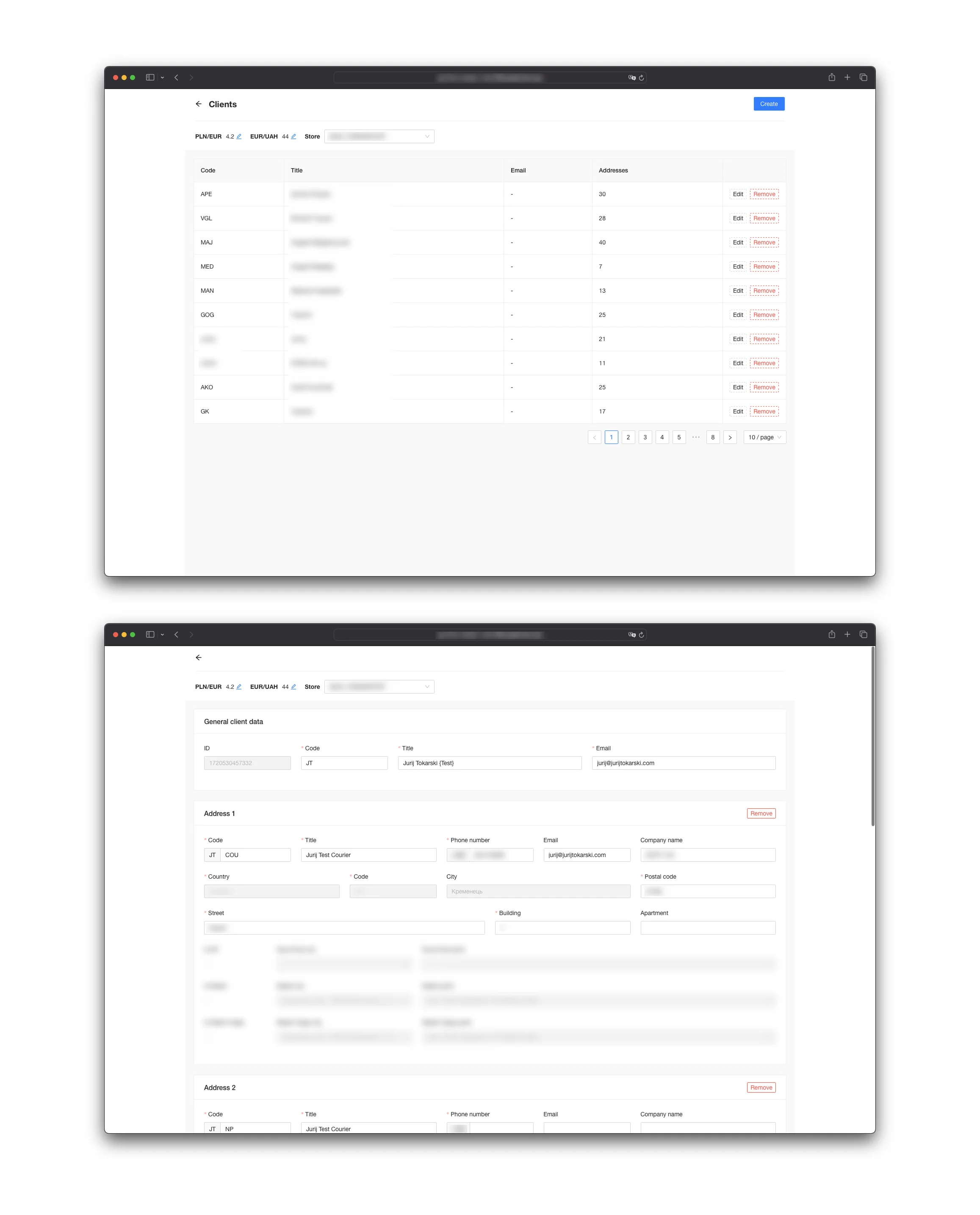 Customers: several addresses each, picked by a short code
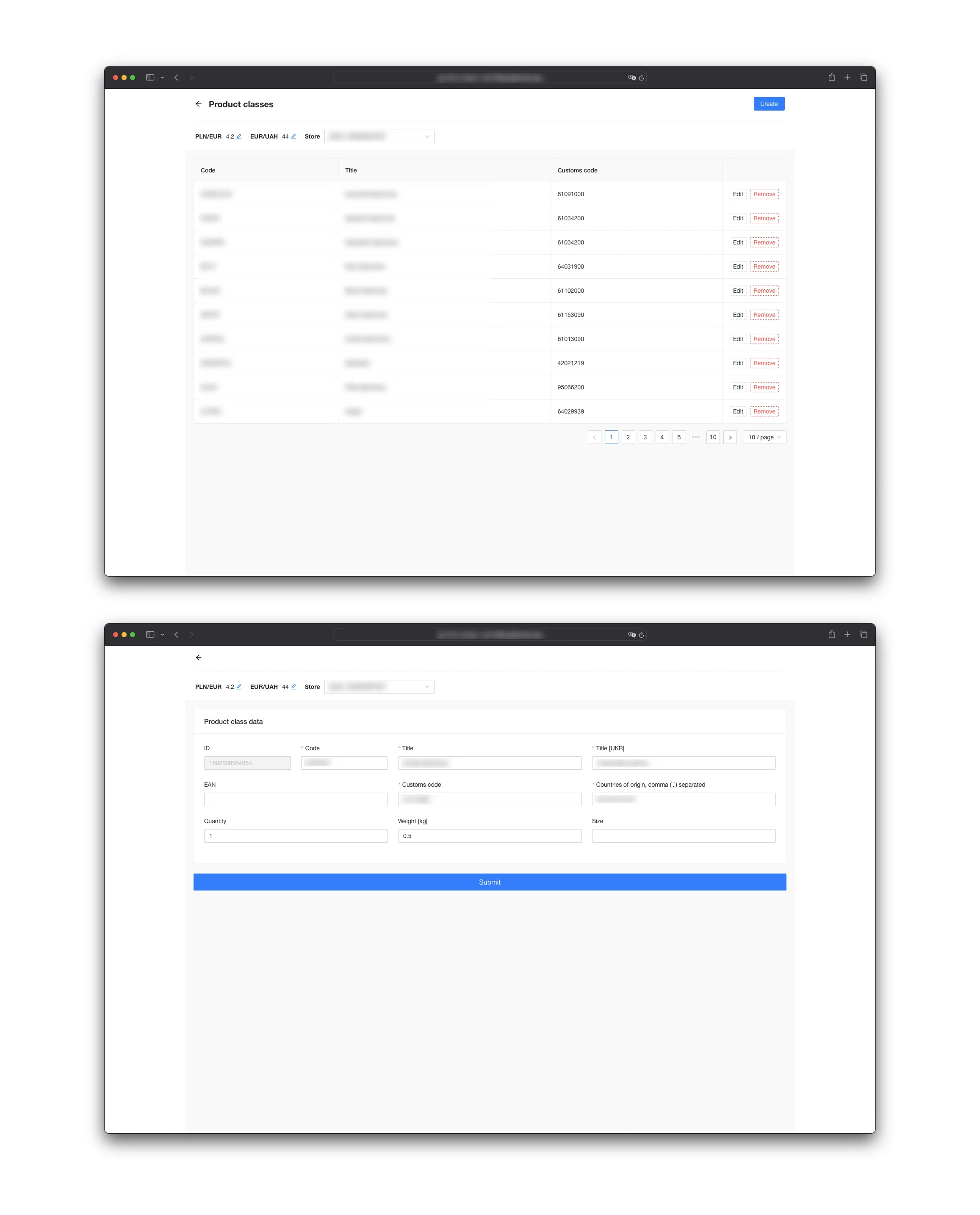 Product classes: the courier's customs categories, set once
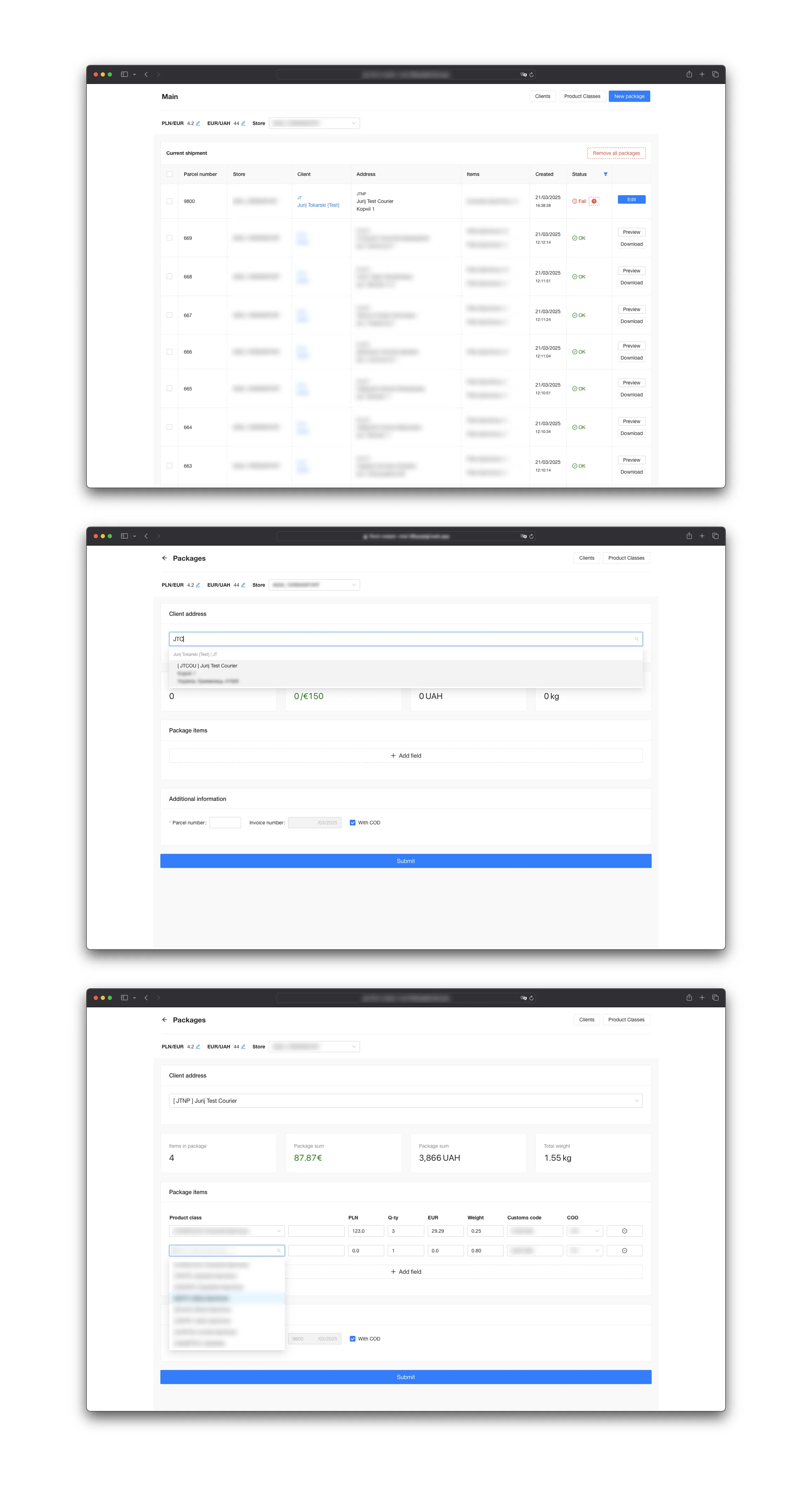 Parcels: the list and the keyboard-first form
In the form, a few letters find a customer. Type "SMI" and "Smith Manufacturing" appears. For customers with several addresses, codes like "SMITH-HOME" and "SMITH-OFFICE" pick the right one at once.
The Operator Shaped the Form
After about five weeks of part-time work, the operator who ships the parcels tested the first stage with one real customer. Training the team took 30 minutes.
That autumn, the courier delivered the first parcel made in the app. The next day, 15 parcels went through it.
Days later, the operator asked that the Tab key skip every field but price and quantity. That request made the form keyboard-only.
A month after launch, he reported that everything worked well.
Under a Minute, for Anyone
A parcel took under a minute instead of 10 minutes, and the team finished shipping by lunchtime. Anyone on the team could create parcels, not only managers.
By the owner's count, shipping errors fell by 80% and the app paid for itself in about 30 days. It also gave him back time for growing the business. Hosting came to about $3 a month.
The Courier Retired Its Old API
The app ran on the courier's old API for over four years, and by early 2025 the courier was retiring it. Had the switch come too late, the team would have been back in the courier's portal, typing every parcel by hand.
I moved the app to the new API, and within weeks it printed labels in testing. Then work on the courier's side stalled for five weeks. Since the delay was the courier's, it kept the old API alive until the switch that spring.
The operator hit two bugs in the weeks after. The courier rejected re-sent parcels as duplicates, and his browser kept loading an old, cached copy of the app. I fixed both the same month.
Grown With the Business
Since launch, the app has gained multi-currency and multi-store support. Small fixes keep coming.
The owner has told me that of all their software, this small app has had the biggest impact. Not long ago, he wrote to say everything works.
Six years on, the parcels still go out through it: about 50 on a working day, around 1,000 a month, and by my estimate around 70,000 since launch.
Got thoughts on this? Reply by email.
Jurij Tokarski
I run a solo business and produce software. Usually I'm shipping for clients or building for myself. Sometimes I pause to write about it.