Diligence · Principle 18 of 33
Pause, Not End
Engagements pause gracefully rather than abruptly end.
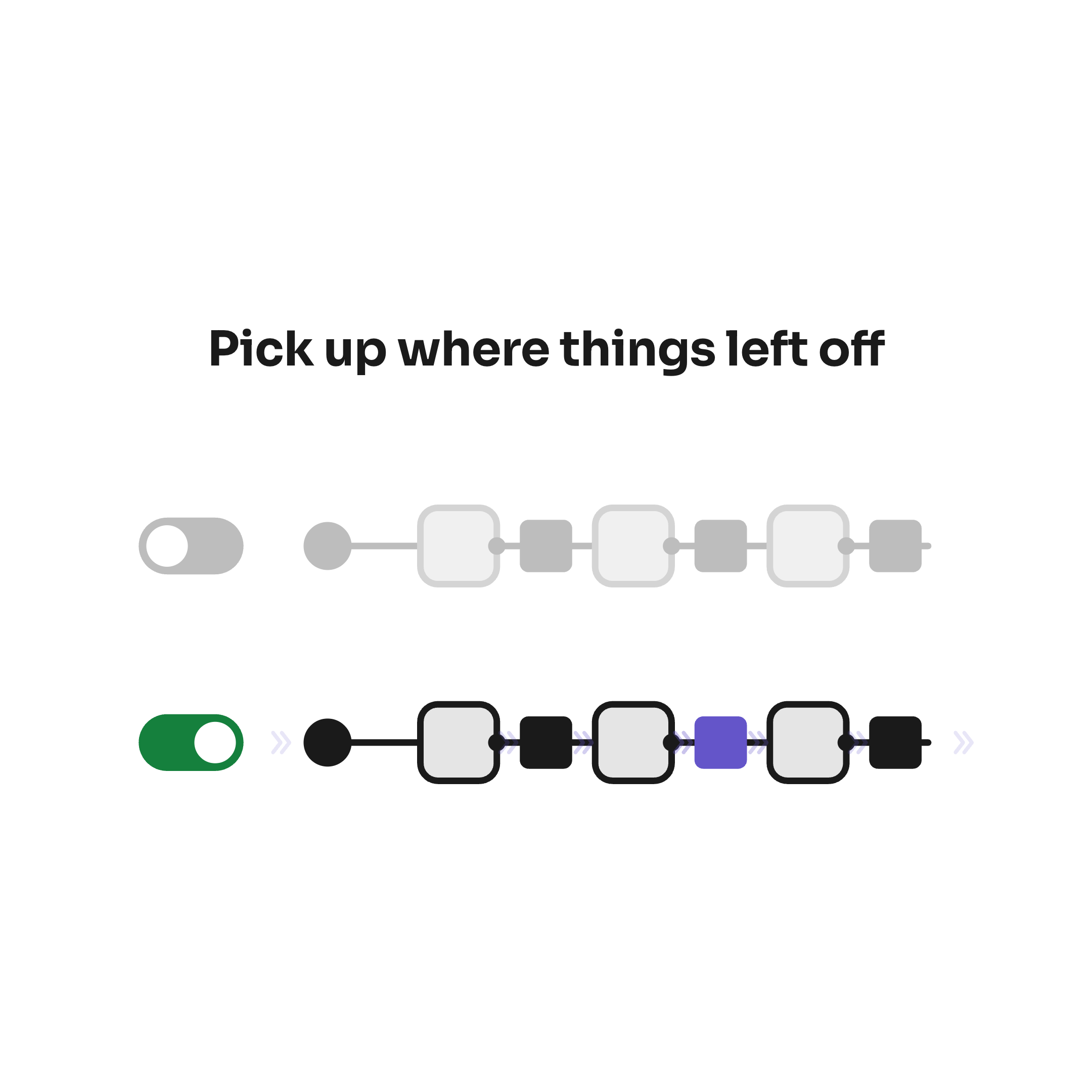
Projects don't move in a straight line. Work surges, then slows. Waiting happens. Real engagements look nothing like a steady retainer — and the relationship model shouldn't pretend otherwise.
Why Pausing Matters
The client is waiting on a decision. Direction needs to be validated, stakeholders need to align, and that takes weeks. There's nothing urgent — no critical bugs, no pressing features, just a backlog of nice-to-haves that can wait.
Sometimes the business slows seasonally. Development should follow. Sometimes the client has spent the allocated budget and needs to generate revenue before continuing. All of these are legitimate. None of them should force an awkward ending.
Without a pause mechanism, three ugly outcomes emerge:
Forced continuity — no urgent work but the client keeps paying because the contract demands it. Resentment builds quietly.
Hard endings — a temporary break is needed but the only option is a full cancellation. Restarting means finding someone new and explaining everything from scratch.
Scope-stretching — not enough real work, so busywork gets invented to fill the hours. Everyone knows it's fake.
How to Structure It
The engagement model should make pausing a first-class option, not a special case. That means:
- No penalty for stopping. The client shouldn't feel locked in when there's no work to do.
- Context survives the gap. Code, documentation, task boards — everything stays where it is. When work resumes, pickup is immediate.
- Billing matches activity. Short billing cycles make this natural. The shorter the cycle, the easier it is to start and stop without awkward conversations.
The specific mechanism depends on the model — subscription, retainer, project-based. What matters is that pausing is built in, not negotiated each time.
The Varstatt Model
In Varstatt, weekly billing makes this straightforward. The client cancels the subscription. Billing stops immediately. When the client is ready, they resubscribe and pick up where things left off. No re-onboarding. No lost context. No penalty.
There's no awkward "we need to end the engagement" conversation. Billing pauses. The relationship continues. Context stays intact. Trust holds.
Billing Should Reflect Reality
Sometimes the developer is shipping major features fast. Sometimes it's iterating on small things. Sometimes both sides are waiting. The engagement shouldn't pretend otherwise — and neither should what the client is charged.
Next: Incident Response
Isn't a Solo Developer a Bus Factor of One?
Yes. Fix the handover, not the headcount: access, documentation, history and exit make the next developer's first day cheap.Full answer·2 min readWhat Happens When a Client Wants to Stop or Pause?
Weekly billing, full client ownership, and no lock-in mean stopping or pausing is mechanically simple and penalty-free.Full answer·2 min readHow Should Founders Think About SaaS Development Costs?
SaaS development isn't a one-time build. It's a weekly investment. The real question is how much per week you're willing to invest.Full answer·2 min read