Philosophy · Principle 28 of 33
Business Cost
Software development is an operational expense, not a craft.
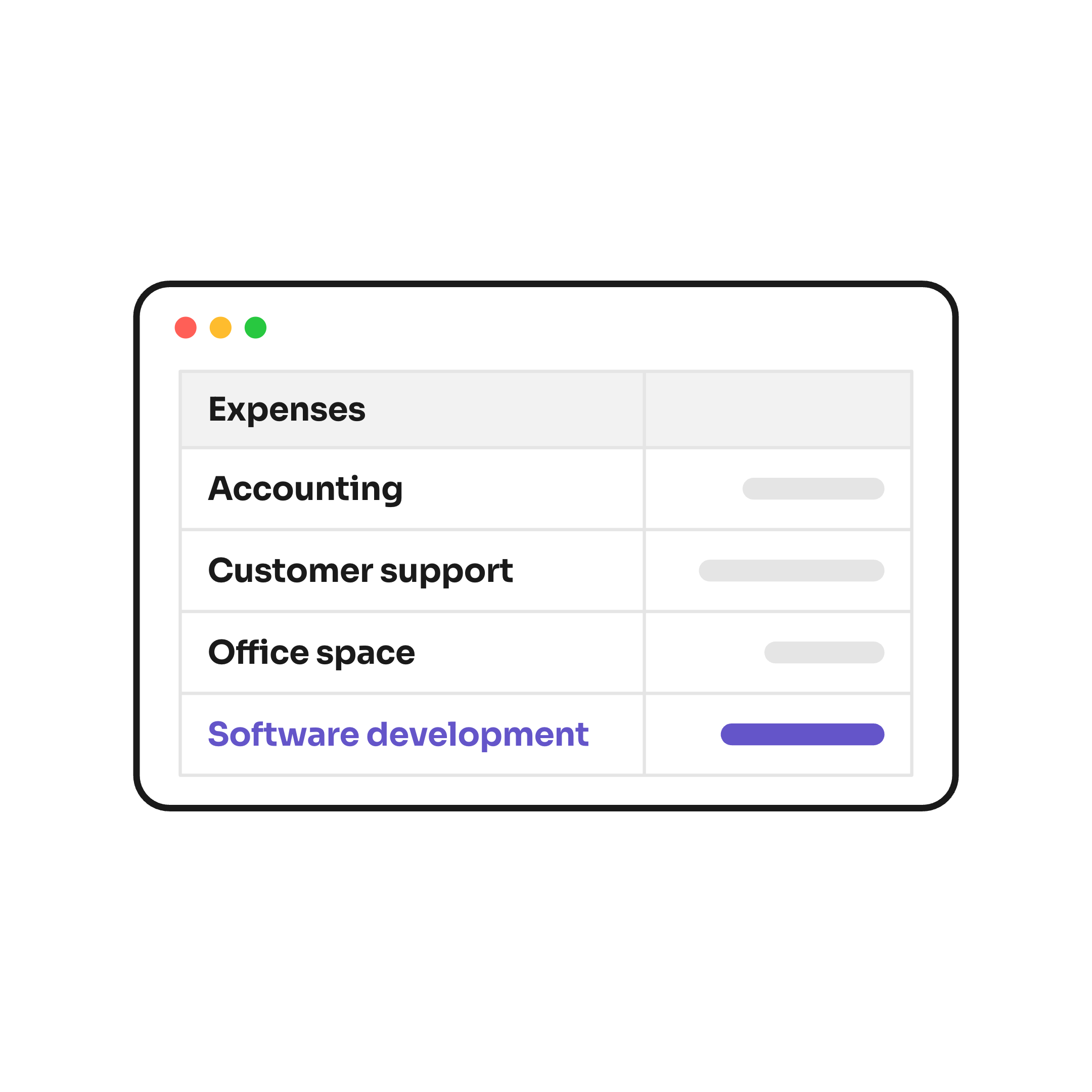
Not a craft. Not an art form. Not a calling. Business cost — the same category as accounting, customer support, and office space. Essential, yes. Precious, no.
The tech industry spent decades convincing developers they're an elite class. Conferences celebrate "10x engineers." Hiring culture treats developers like scarce, pampered talent. That framing creates entitlement. Entitlement creates bad service.
The Developer Is Here to Solve Problems
Clients don't want beautiful code. They don't care about architecture decisions. They want their business problems solved at a reasonable cost, delivered predictably, without drama.
That's not a cynical view. That's an honest one. Service orientation starts when the developer stops centering their own preferences and starts centering the client's outcomes.
Craft Serves the Business
Yes, software development involves craft. So does accounting. But accountants don't demand creative freedom to explore interesting tax theories — they deliver reliable, predictable, valuable work. Development is the same.
Craft in service of business goals is good. Craft for craft's sake is self-indulgence billed to the client.
Stop Making Technical Decisions Based on What's Interesting
Don't debate microservices versus monoliths based on what's technically exciting. Choose what's operationally simplest for the client's actual situation. Don't insist on test-driven development because it's "proper engineering" — test adequately for the risk level, nothing more.
Don't gold-plate solutions. Solve the actual problem, not a perfect theoretical version of it.
Predictability Is the Product
Clients need to plan. That means predictable delivery, predictable communication, predictable cost. When the developer treats development as an operational function rather than a creative endeavor, surprises stop happening.
Predictability is what earns long-term relationships. It's more valuable than any technical sophistication added to the codebase.
Why This Matters
Clients have dealt with developers who treat every decision like an art critique. Technical debates without business context. Perfection becoming the enemy of done.
A developer who optimizes for business outcomes — who delivers reliably and keeps costs honest — is refreshing. That's who gets called back.
Next: Hours Are Wrong
Which Engineering Principles Matter for a Startup?
The ones that let you ship every week: build only what is worth building, fix the budget, flex the scope, and finish one task at a time.Full answer·5 min readWhat Do Most Founders Get Wrong About Building AI Products?
AI is a tool, not a product. What makes a product valuable is domain expertise. Without it, AI products are generic and replaceable.Full answer·2 min readHow Much Does It Really Cost to Build an MVP?
The $5K-$500K ranges you see online are mostly noise. They reflect service model and overhead, not code quality.Full answer·2 min read