Discovery · Principle 4 of 33
Scope Shaping
Fixed time, flexible features.
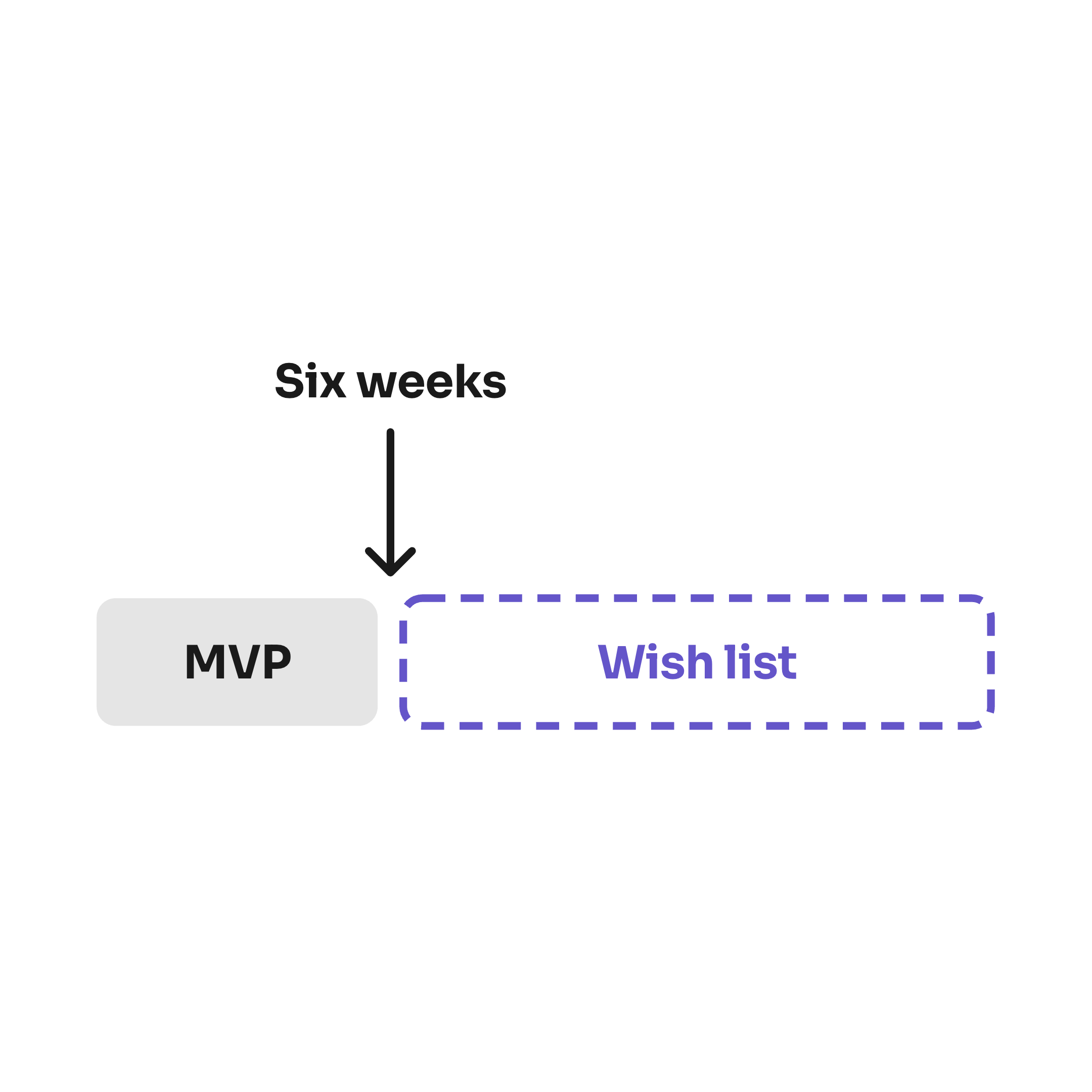
The principle is simple: fix time and budget, flex scope. The client has an appetite. The core is known. Now the developer needs to shape what actually fits inside the time box. This is the craft between strategy and execution.
Flex the Feature, Not the Timeline
Most features can be built a thousand different ways. The full version with custom configuration, responsive design, and flexible workflows. Or the shaped version that gets users doing the new thing within the appetite.
Instead of user-configurable settings, use presets. Instead of responsive design across every breakpoint, ship desktop only. Instead of custom workflows, use templates that cover most of the ideal flow but take a fraction of the time to build.
Only with Client Approval
This only works with client approval. No flexing behind their back. Ever.
But when the other principles are followed — transparency, real commitment, trustworthiness — clients rarely push back. They see the real scenario. They understand work isn't predictable. When the developer is honest about what fits and what doesn't, and proposes a solution that delivers what must be there, clients appreciate the approach.
The client approves the flex. The developer ships on time. Then the rest gets scheduled.
Less Is Often Enough
And sometimes? The flexed version turns out to be enough. The full thing never gets built because reality proved the simpler version was all anyone needed. Less code, same outcome.
Real Deadlines vs Fake Ones
Most deadlines are fake. A real deadline is when the work has no value after the date. An event management app after the event is worthless. That's a real deadline.
"We need this by Q3" is usually just a wish. Know the difference. Shape scope against real constraints, not arbitrary dates.
Next: Context Over Purity
Which Engineering Principles Matter for a Startup?
The ones that let you ship every week: build only what is worth building, fix the budget, flex the scope, and finish one task at a time.Full answer·5 min readWhen Should You Build Custom vs Buy Off the Shelf?
Default to buy. Build custom only when the custom part IS your product's value. Everything else is glue — and glue should come off the shelf.Full answer·1 min readHow Do You Scope an MVP That Ships in Weeks, Not Months?
Six-week appetite-based planning. Fix the time, flex the scope. Shape the solution to fit the constraint.Full answer·2 min read