Partnership · Principle 21 of 33
Onboarding
How the first week sets the tone for everything.
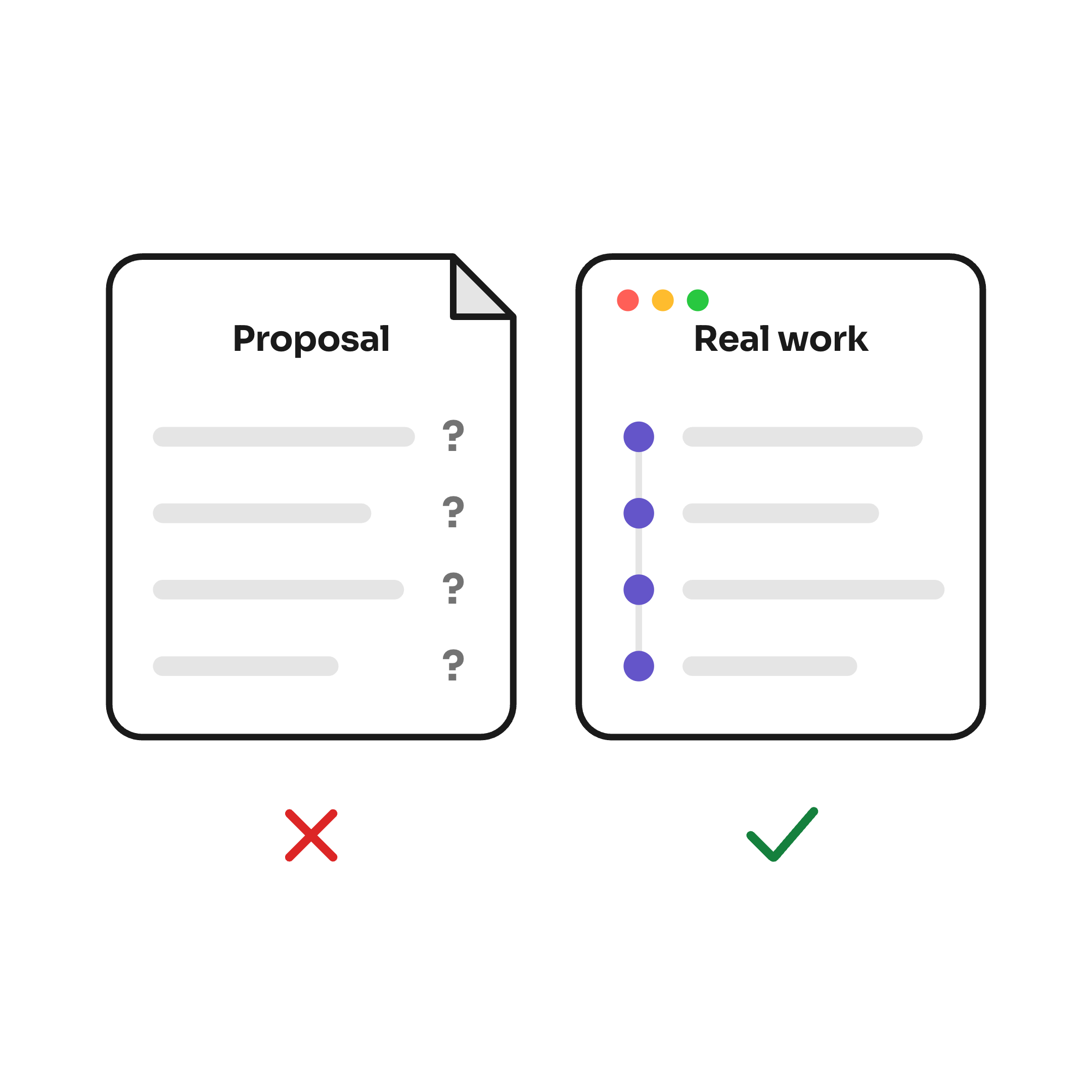
The engagement doesn't start when the first commit lands. It starts before that — the mutual audition where both sides figure out if this actually works.
Do Real Work Before Committing
The principle is simple: work together before anyone commits long-term. The developer researches the problem independently. Responds with their understanding, questions, and a rough direction. Has a strategic conversation — not a sales pitch. Then sets everything up together, so the first paid week starts with real work.
Only after code is committed and building starts do real answers emerge. Everything before that is theory.
The Mutual Audition
Despite being a trial period, the developer communicates like it's real work. Regular async updates. Full transparency. The developer is testing the client as much as the client is testing the developer.
Can both sides work together? Does communication flow? Are expectations realistic? Is the project what the client described?
These questions only get honest answers through actual work — not proposals, not sales calls, not references. Real work together is the only reliable signal.
Why This Protects Both Sides
The client doesn't commit money before seeing how the developer works. The developer doesn't commit effort before knowing the client is a real fit. A week of working together tells more than any proposal ever could.
The Varstatt Flow
The developer receives a project brief. Before responding, Varstatt does independent research — understands the problem, drafts potential solutions, figures out why this matters and what success looks like. Then responds with an understanding of the problem, a rough timeline, and follow-up questions.
A discovery call gets scheduled. If the client subscribes, week 0 begins: a free onboarding week. During it Varstatt analyzes the flow, bootstraps the development environment and prepares access. It builds nothing yet, so week 1 starts with real work. Only if all is good does the client continue the subscription.
Next: Pricing Conversation
How Should Non-Technical Founders Evaluate Developers?
You can't fully evaluate a developer before working with them. The goal is to minimize risk until you have enough real data.Full answer·2 min readWhat Makes a Good Project Brief?
A good brief describes the problem and the business, not the deliverable. Bad briefs say 'build me a mobile app.'Full answer·1 min readHow Do You Go from Idea to Working Product?
The real path from idea to product is discovery of the problem first, then solution. Most founders skip this entirely.Full answer·2 min read